

Members Only
Every World. Story. Chapter. Word.
All yours.
Membership
$9 / month
or $79 a year · save 27%
- ✱ Subscriber-only stories and early access chapters
- ✱ Exclusive worlds with lore, maps, and extras
- ✱ 2+ new stories and chapters weekly
- ✱ Everything published during your membership
Cancel anytime. Keep access through your billing period.
What You Unlock
World · 3 volumes
Hollowed
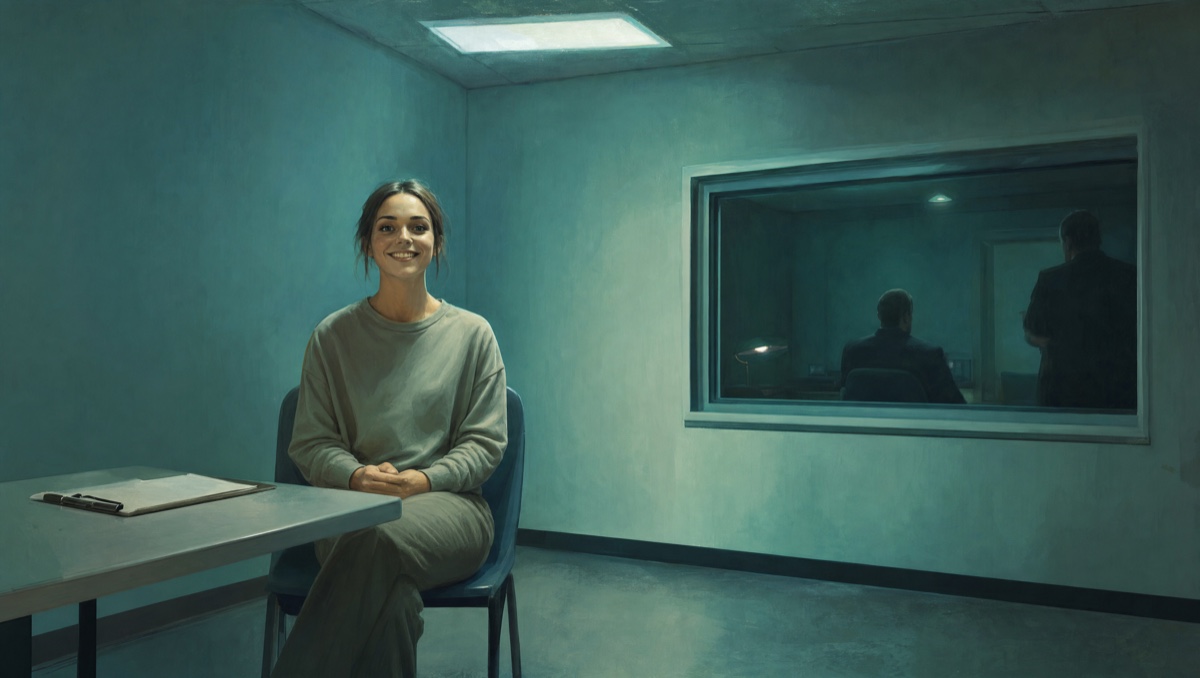
Some people are born without something — no soul, no inner life, just a perfect replica of human emotion. They smile when you smile. They grieve when you grieve. They never slip up. Society has developed tests to identify them and institutions to deal with them. The Hollowed are considered dangerous. Not because they've done anything, but because of what they might do.
World · 2 volumes
Sharing Location
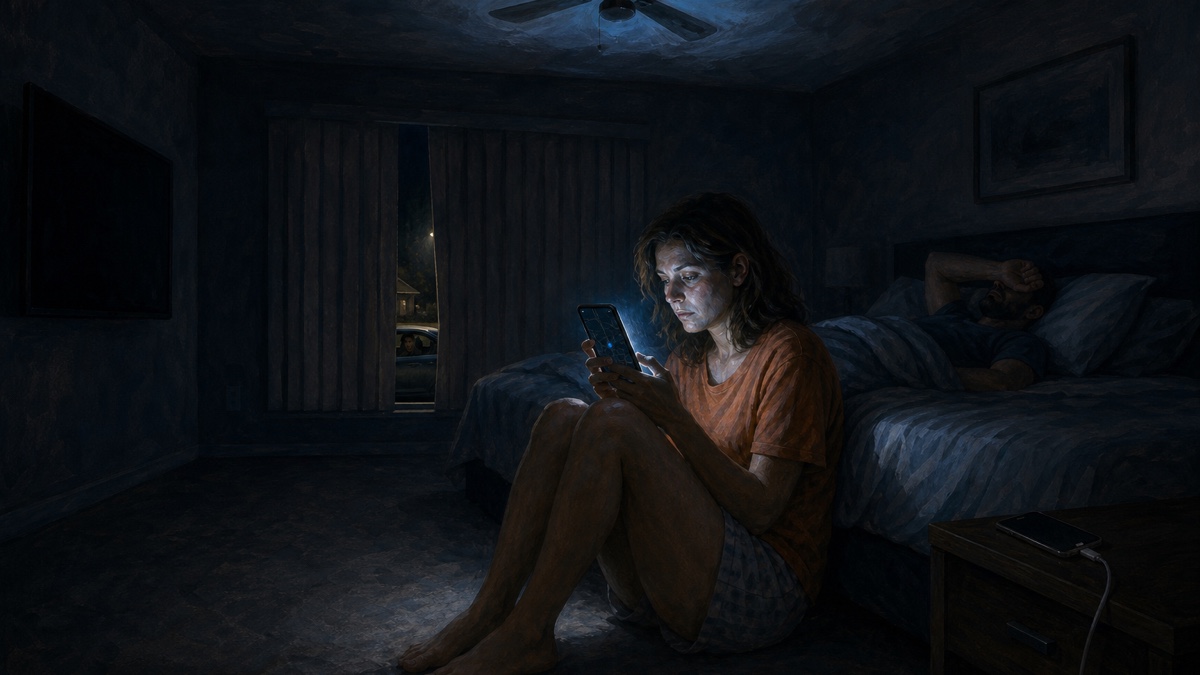
Mark Kessler is the kind of man you'd hand your spare key. He makes lemon chicken every other Wednesday. He kisses his wife on the forehead at 6:15 every morning, and his little blue dot goes straight to the office.
His brother Rob is the one everybody worries about. Good weeks and bad weeks, in and out of Brook Hollow up in Frederick. Mark always drives out to see him.
Their mother Carol raised her boys in a brick house in Towson. She was very particular. The celery went in before the onions, and the pictures went on the wall exactly where she said.
Every story here happens somewhere around the Kesslers.
A wife who got up to pee at two in the morning. The retired mailman across the street with the iPad his son set up. A night nurse, a landlord, a desk clerk at a motel off the turnpike.
Each of them notices one small thing about the Kessler boys that doesn't add up.
A second phone on the account. The same shirt in two closets. A man who waves every morning, when he used to only nod.
You can read them in any order. Everybody's looking at the same family from a different window, and every window shows a different piece of the house.
Mark's at the office right now. His dot says so.
World · 2 volumes
Passenger
It happens without warning.
One second you're living your life, and the next your consciousness is behind a stranger's eyes, halfway across the world, in a body you can't control. You see what they see. You feel what they feel. You cannot move a finger or say a word. For exactly twelve hours you are a passenger in someone else's life, and then you snap back into your own body with the whole thing already starting to fade.
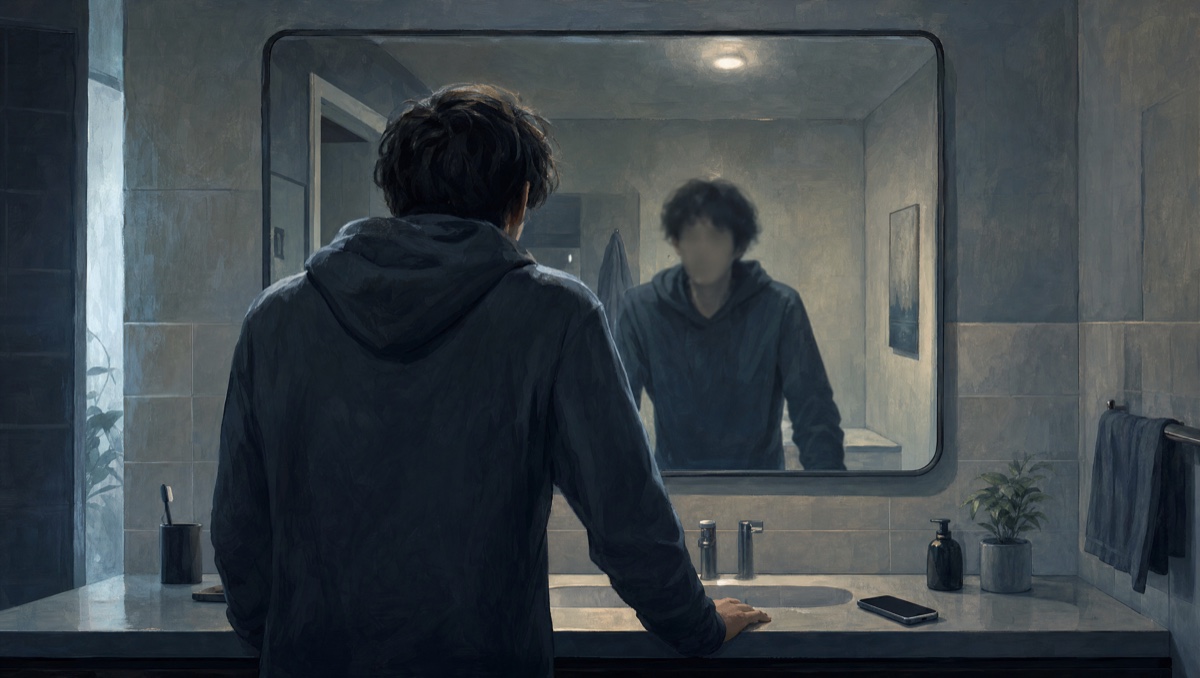
The host never knows you were there. You watch them do the dishes, kiss their partner, cry in a parked car, make the worst decision of their life, and they have no idea a witness is riding behind their forehead. You learn their name, their address, their marriage, their secrets. Everything except one thing. You can never see their face. In every mirror, every photo, every passing window, the one face you're inside blurs to nothing. Everyone else in the room is crystal clear. Just not them.
The world has built itself around this. There are therapists who help people carry what they witnessed, private investigators who track down hosts for a fee, blackmail networks that trade in stolen secrets, activists who think passengers should be allowed to make contact and extremists who think passengering is evil. There are people who structure boring, careful lives in case someone's watching, and people who wake up disoriented and think first thing, did I passenger last night. And there is the quiet horror underneath all of it, the day you realize the voice, the ring, the home you're trapped inside belongs to your own spouse, and you're about to learn exactly what they think of you.
Everyone knows that somewhere, a stranger might have been there for their worst moment. They could sit next to you on the bus. They remember everything about you except your face. That's the bargain. You keep the secrets you stole, and you hope whoever stole yours keeps them too.
World · 1 volume
The Obsidian Tavern
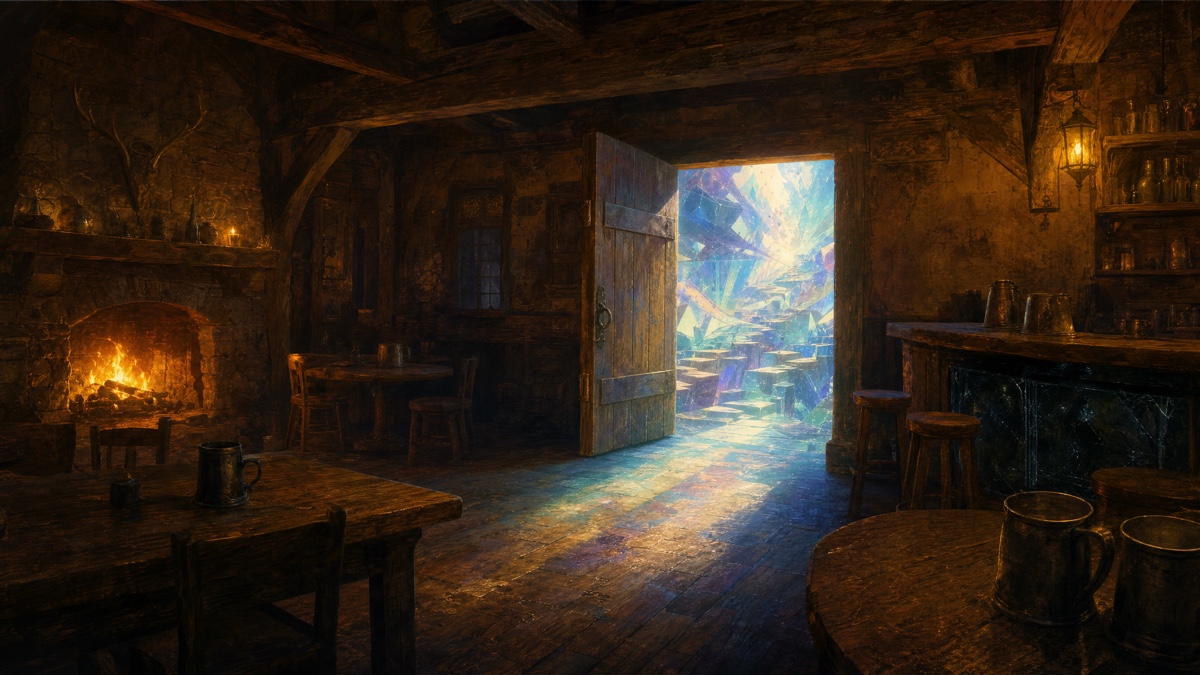
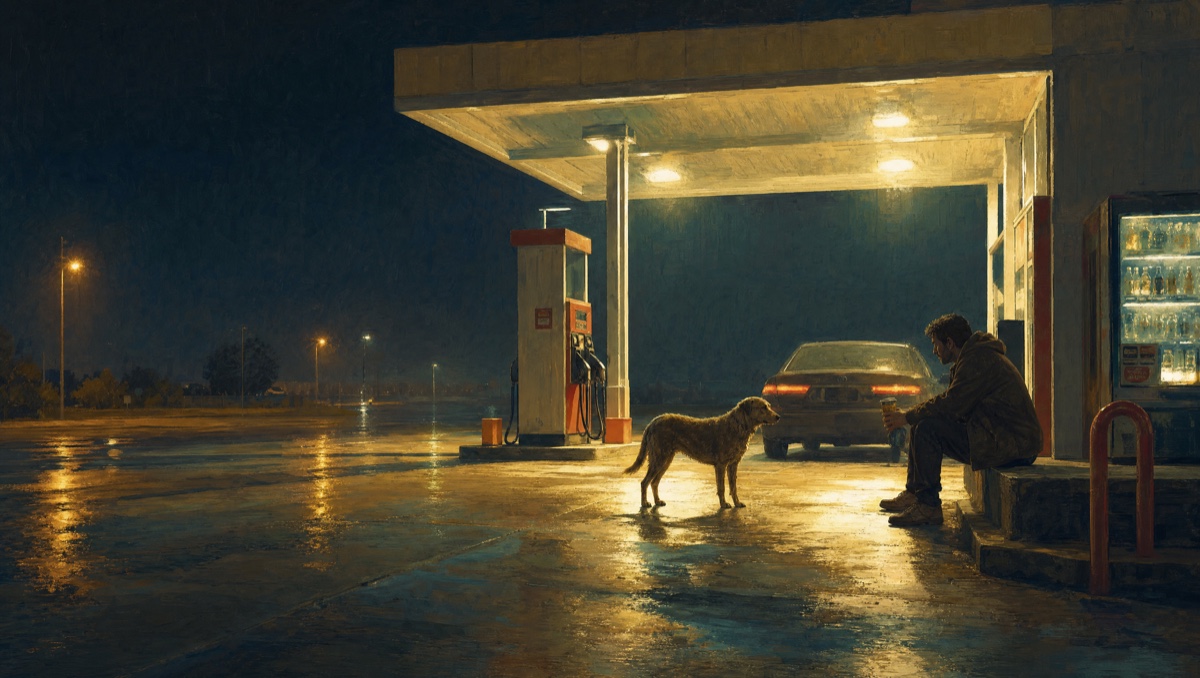
There is a tavern you find the way everyone finds it. Suddenly, on a bad night, without quite remembering the walk there. Low beams, a fire that never fully goes out, a drink already half poured by the time you sit down.
The keep's name is Xerves. He came in the front door once, same as you, cold and thirsty and carrying something he couldn't set down. He never quite left.
The front door opens onto the road. The ordinary one, with weather and mud and your own tired feet on it.
The back door does not.
The back door opens onto a different world every time it's unlatched, and never the same one twice. A drowned shore where the dead come back grown and full of you. A city that runs on borrowed light. A stretch of road where nobody can lie. Xerves has stopped asking who decides. He just works the door.
Here's the part that matters.
He notices people. That's the real gift, not the traveling. He clocks the shape of you before you've said a word, and when the back door opens, it doesn't open onto the world you'd have asked for. It opens onto the one you needed. Then he tells you what happened, plain, across the bar, and lets it land.
That's what these stories are. Somebody walks in carrying a thing. The door opens. They come back lighter, or heavier, or changed in a way they can't undo, and Xerves pours one for the road and tells you how it went.
Come in out of the weather sometime. He'll read you before you've finished the first drink, and we'll see which world you needed.
World · 1 volume
Corriveau
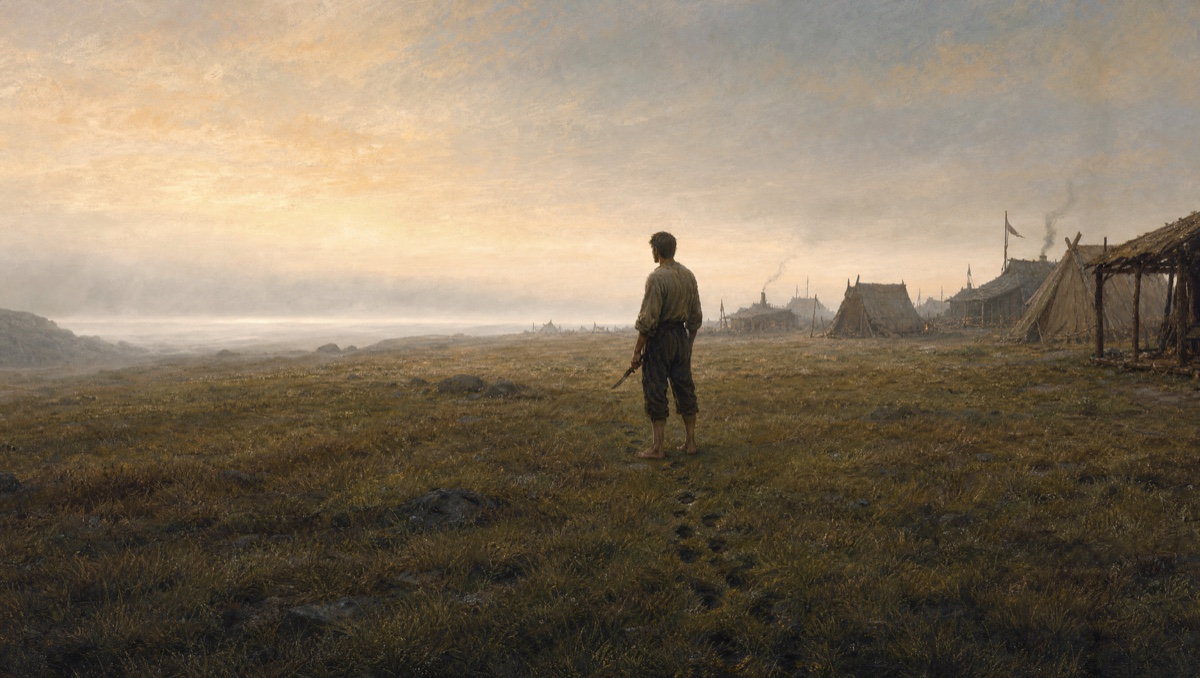
Love costs you years of your life. Actual years, taken off the end of the life you were given, on a date you were never allowed to see.
It only happens when you say it out loud. Quiet love is free. Longing is free.
A whole life spent beside someone, unspoken, costs nothing and holds nothing. But the moment two people swear the old oath and claim each other, the ledger opens, and years get poured out of a life to make the bond hold.
Swear shallow and the bond is thin, easily broken. Swear deep, the real thing, the unbreakable thing, and you might spend a decade or more of yourself into it.
Here is the cruelty. Only one of you pays.
The oath takes from whoever speaks the giving-words, and it takes from them alone. So every love story in this city is also a negotiation with loss, and underneath the tenderness there is always the same buried question.
Which of us.
You never learn what it cost you. Nobody knows how long they were meant to live. Fate seals the number at birth and hides it from everyone, including you, so paying is a wager made in the dark.
You give ten years off a life you assumed was long, and you never find out whether it was long at all, or whether those were nearly the last you had.
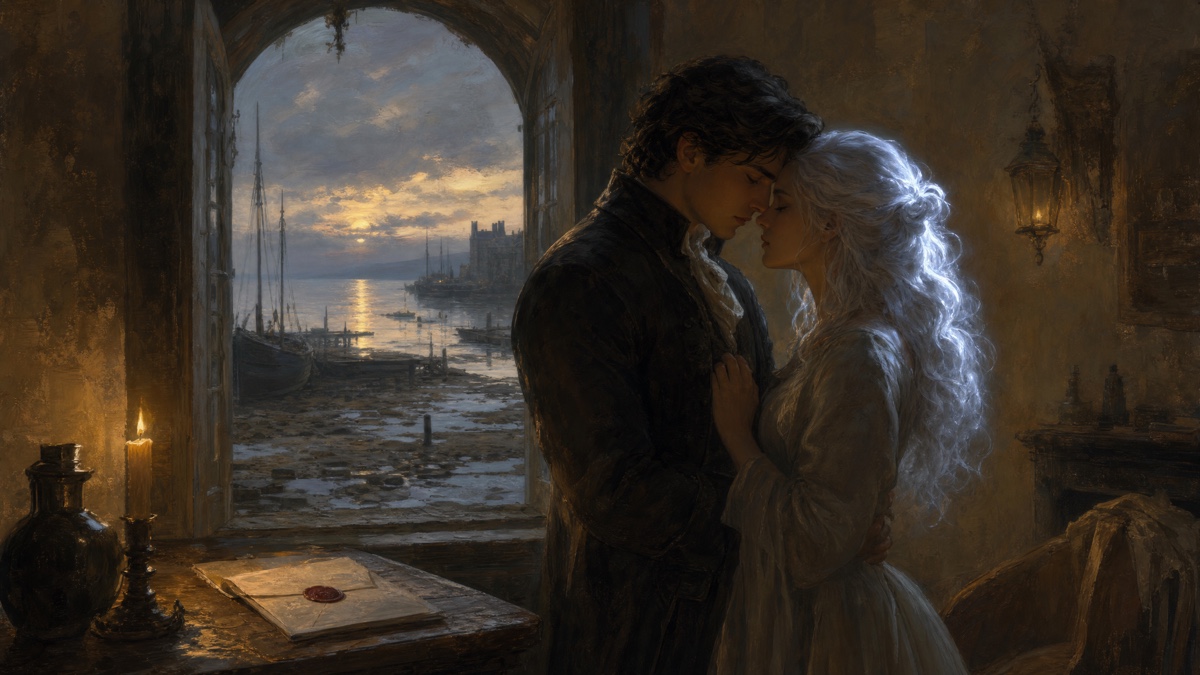
One thing shows, and only one. Paying turns your hair silver. Your face stays young, your hands stay young, your whole body stays exactly its years, but the hair goes silver-white, and that is the single visible mark that you loved at a cost.
A young face under a white head is the most charged thing you can see in this city, and you can never tell by looking whether it means devotion or whether it means somebody used that person up and threw them away.
The whole city is built on this.
The high houses keep their dark hair into old age because someone else always pays for them, and dark hair worn late is aristocracy announcing itself. The servant class goes white and young in the face, drained into their masters' bonds and dying early on a date no one can read.
Down by the water, the Unbound refuse the oath entirely and love free and unprotected, at the mercy of the world.
And two powers fight over the whole thing, the old sacred order that holds the true words and the new civic registry that files love as a legal contract, so you can be married in the eyes of the god and a stranger in the eyes of the ledger, or the reverse.
Everyone in Corriveau reads the hair the way other people read weather. Walk into a room and you know, without a word, who here has been loved at someone else's expense.
What you can never know is how much it cost them, or how much any of you have left.
World · 1 volume
The Catalog
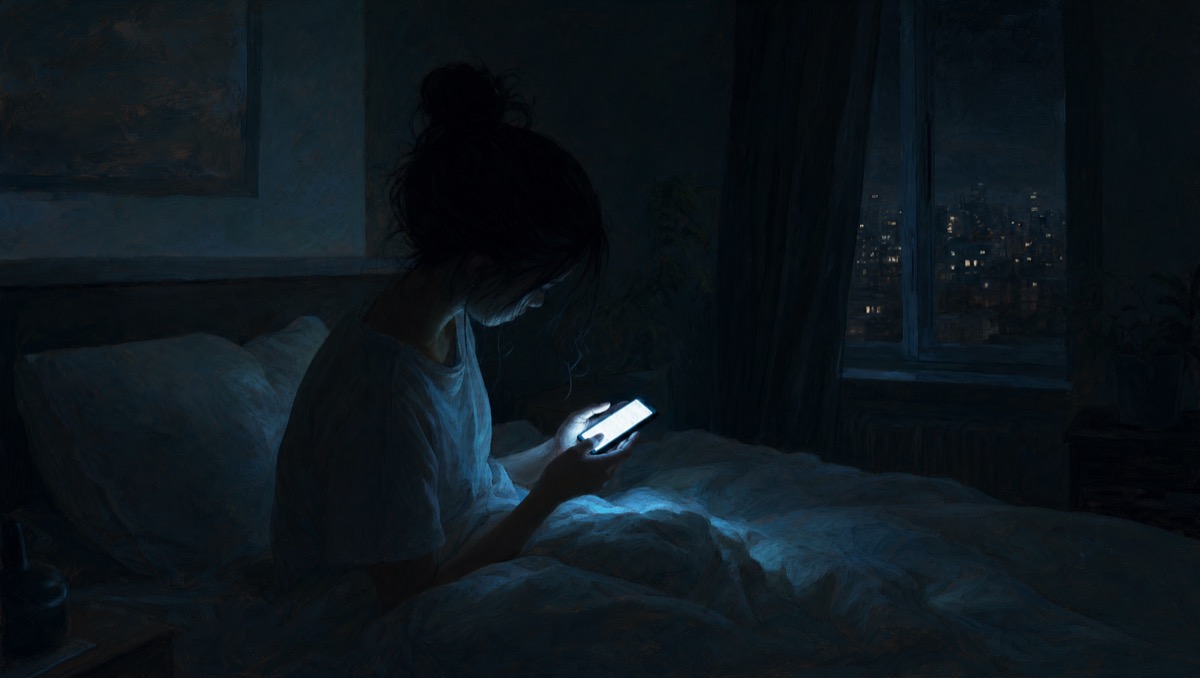
Somewhere out there is a website that lists things before they happen. You don't find it on your own. Someone tells you about it, a coworker or a friend or a stranger at a party who leans in and says have you heard about this thing, and the person telling you is always further along than they let on. You check it because you're bored or skeptical or both. The first entries are mundane. A traffic light out on the east side. The deli running out of the turkey club by one. You almost close the tab.
Then it gets one right. Then another. Then it gets something right that it shouldn't know, something about you, something nobody knows.
The Catalog is always digital. It lives on the screen you carry closest to your body, the one you check sixty times a day without thinking. It never explains itself. It doesn't converse or respond or acknowledge. It just lists, in plain flat sentences, and the entries are always true. Not close enough. True. The path to them is flexible. The destination is not. You can drive a different route and still end up in the accident from a different direction.
There is no creator to confront and no switch to flip. Every theory you form becomes a trap. It's surveillance doesn't explain how it knows your thoughts. It's an algorithm doesn't explain why it chose you. The human need to understand why is just another thing it can predict.
What makes it horror isn't catastrophe. It's intimacy. The Catalog knows you'll overcook the pasta on Thursday, that you'll pause at the top of the stairs for no reason, that you'll almost call someone and then set the phone down. It knows the shape of your boring, private, unremarkable life, and it hands you tomorrow's version of it each morning like a set of instructions you'll follow without meaning to. Your world starts to shrink around the entries. First you test it. Then you plan around it. Then you obey it. And somewhere along the way the entries stop being ahead of you and start arriving at the same moment as the thought, until you can't tell whether you're reading the Catalog or the Catalog is reading you.
You don't set out to spread it. You just do. That's the last thing it predicts, and it's always right, because being right is the only thing the Catalog has and it has so much of it that it drowns you.
+ 7 more worlds, with new ones landing regularly. Browse all worlds →
Cancel anytime · Keep access through your billing period · Already a member? Sign in